Introduction to Dash Cameras
Dash cameras, also known as car cameras or vehicle camcorders, have gained significant traction in recent years, particularly among businesses that prioritize safety and accountability. These devices not only record the journey but can also provide critical evidence in the event of an accident or dispute. For B2B clients, investing in dash cameras is a strategic move that enhances operational efficiency and fosters a culture of safety.
Key Features of Dash Cameras
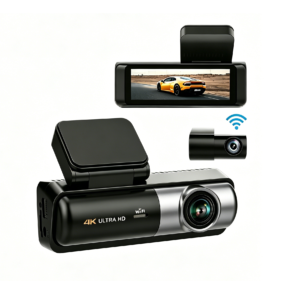
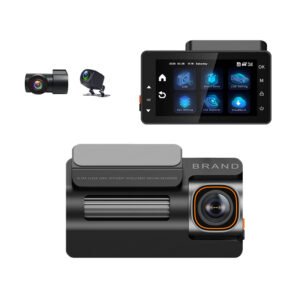
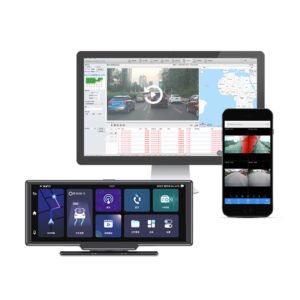
Modern dash cameras come equipped with a range of features that cater to the unique needs of businesses. High-definition video recording, wide-angle lenses, and night vision capabilities ensure that every detail is captured clearly, regardless of conditions. Moreover, many dash cameras now offer GPS tracking and real-time notifications, which can greatly assist fleet managers in monitoring vehicle activity and driver behavior.
Benefits for B2B Clients
The benefits of incorporating dash cameras into a company’s fleet are compelling. First, they can reduce insurance costs, as many insurance companies offer discounts for businesses that use dash cameras. Secondly, in case of false claims, having recorded evidence can protect the company from potential losses. Additionally, dash cameras can help in improving driver performance through monitoring and accountability, leading to better fuel efficiency and reduced wear on vehicles.
In summary, the integration of dash cameras offers numerous advantages for B2B clients, making it a wise investment for companies looking to enhance safety, reduce costs, and improve overall operational performance.