
For a private driver, a dash cam is insurance. For a rideshare or taxi driver, it is a work tool that protects your livelihood — you spend 8–12 hours a day in the car, mostly at night and weekends, carrying strangers in the back. The incidents you actually face are not the ones a forward-only camera covers: passenger disputes, false allegations, fare arguments, assault, and the classic “you braked too hard” complaint to the platform. Choosing the right camera changes which of these you can win. Here is what rideshare and taxi drivers actually need, and what you can skip.
1. You Need a Cabin Camera — This Is Non-Negotiable
The single biggest difference between a rideshare setup and a personal one is the interior (cabin) camera. It records the passenger compartment and is your primary evidence for:
- False complaints to the platform (dangerous driving, unsafe behavior, alleged misconduct) — the platform sides with whoever has evidence.
- Fare and route disputes, intoxicated or aggressive passengers, and assaults or damage to the car.
- Your own conduct — footage protects good drivers from fraudulent claims as much as it documents passengers.
The cabin camera must have IR (infrared) night vision: rideshare’s busiest hours are after dark, and the inside of a car at night is black to a normal camera. IR LEDs illuminate the cabin invisibly and record a clear image with the lights off. This means a 3-channel setup (front + rear + IR cabin) is the rideshare sweet spot — see how channels map out in our 1CH/2CH/3CH/4CH guide and what multi-channel systems cover.
2. Night Vision Is the #1 Quality Factor
You drive when most accidents happen: night, rain, rush hour in winter darkness. Prioritize a quality sensor (Sony STARVIS-class), WDR/HDR to handle oncoming headlights, and IR for the cabin. A cheap “4K” camera with a no-name sensor gives you unusable black grain exactly when you need footage. Our night vision dash cam guide covers exactly what to check.
3. Reliability for 10+ Hours a Day, Every Day
Rideshare is near-commercial duty cycling:
- Supercapacitor > lithium battery. The camera sits in a windshield that bakes all day between rides; lithium batteries swell and die within a year in that heat. Supercapacitor models handle it for years (and never risk a swelling battery near passengers). Details in supercapacitor vs battery.
- High-endurance microSD, 128–256GB. You record far more hours than a private driver; a generic card corrupts and takes your evidence with it.
- Loop recording + G-sensor lock so incident clips are never overwritten — confirm these work before you rely on them.
4. Discreet, Out-of-the-Way Mounting
Passengers rate on experience; a giant camera hanging in the middle of the windshield looks unprofessional and can make riders uneasy. Choose a compact wedge-style unit tucked behind the rear-view mirror with an adhesive mount, route cables behind trim, and point the cabin camera to frame the back seat. Many drivers place a small “recording for safety” sticker — this is legal in most markets and reduces bad behavior before it starts (check your local rules on audio recording consent).
5. Wi-Fi for Owner-Drivers, 4G for Fleets and Platforms
- Owner-drivers / single cars: a Wi-Fi 3-channel camera is perfect — download clips to your phone in minutes after an incident, no monthly fee. Wi-Fi vs cellular is explained here.
- Fleet operators / taxi companies / platform partners running many cars: step up to 4G-connected units so footage uploads automatically, you can retrieve evidence remotely (critical when a driver “loses” a clip), and you get GPS and driver reporting — see how fleet dash cams help operators.
6. Parking Mode Protects the Car Between Rides
Rideshare cars get hit in lots and while waiting at ranks. A hardwired parking mode (with voltage cutoff) records bumps while you’re away from the car — worth setting up so hit-and-runs while queued at the airport or parked overnight don’t come out of your pocket. Power options are compared in our parking mode and hardwire kit guide.
Recommended Setups
- YS15 — 4K Triple Channel (Sony IMX675 + 2K IR Cabin, Wi-Fi 6): the top rideshare setup — Sony low-light sensor up front, dedicated IR cabin camera for passenger incidents, Wi-Fi 6 for fast clip downloads. Best all-round choice for serious full-time drivers.
- YS13 — 4K Triple Channel (Front/Rear/Interior): full 3-way coverage at a lower price tier — front, rear and interior recording for budget-conscious full-time drivers.
- YS02 — 4K Dual with Enhanced Night Vision: the value pick for part-time drivers — excellent low-light road footage front and rear (add a separate cabin cam if disputes are a concern).
- YS14 — 4K+1080P with 3.16″ Screen and 5.8G Wi-Fi: easy on-device playback — handy for showing footage to a passenger or officer on the spot.
- 2K Triple-Channel 4G Fleet DVR: for taxi/rideshare operators — road + rear + IR cabin with cloud upload and remote evidence retrieval.
- YC06 — 4G 4-Channel Fleet Cam: for larger operators wanting maximum coverage plus optional driver-monitoring and platform management.
The Short Version
If you drive rideshare or taxi for a living: get a 3-channel camera with an IR night-vision cabin lens, a Sony-class low-light sensor, supercapacitor build, a high-endurance 128GB+ card, and Wi-Fi (owner-driver) or 4G (fleet). Mount it discreetly behind the mirror, enable parking mode via hardwire, and the camera will pay for itself the first time a false complaint or drunk-passenger incident would otherwise have cost you your rating — or your account. For the broader feature checklist, see our general dash cam buying guide.
Rideshare & Taxi Dash Cams — Driver and Fleet Pricing
Yeshi Tech supplies rideshare and taxi drivers — and the operators and platforms that equip them — with 3-channel IR cabin cameras, night-vision dual cams and 4G connected fleet units. Individual drivers, fleet managers and distributors all get fast quotes, samples and OEM options. Tell us how many cars you run and your market — quote within 24 hours.
Email: sales01@yeshi3c.com
WhatsApp: +86 134 2511 8418
Address: Room 1006, Xianke Industry Building, Bagua 4th Rd, Futian District, Shenzhen, 518029, China
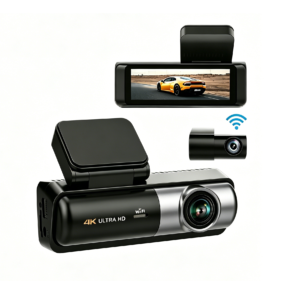
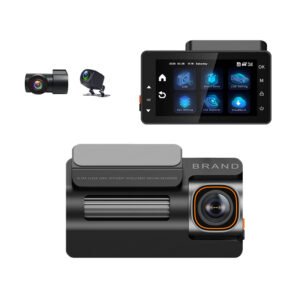
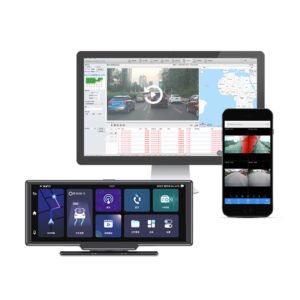
[…] Rideshare and taxi incidents usually happen inside the car, often at night. The infrared cabin channel records driver and passenger activity without a visible glow, so you get usable footage of an altercation, a false claim or a lost-item dispute — the situations a road-facing camera simply cannot resolve. For more on this buyer group, see our guide to the best dash cam for rideshare and taxi drivers. […]