
Most dash cams look great in daytime demo footage. The difference between a good camera and a mediocre one only shows up after dark — which is exactly when the majority of disputes, collisions and rideshare incidents happen. Headlights glare, streetlights blow out, plates vanish into noise, and cabin footage turns into a black rectangle. If you drive at night, commute in winter darkness, or run a taxi or rideshare, low-light performance is the single most important spec — and it is almost never the “4K” badge on the box. Here is what actually creates night vision in a dash cam, and what to check before you buy.
1. The Image Sensor Decides Everything
Night footage quality is dominated by the image sensor, not the advertised resolution. A large, modern sensor captures more light per pixel and produces far less noise in darkness. The industry benchmark is Sony’s STARVIS-series sensors (e.g. the IMX675 used in our flagship triple-channel unit) — these are designed specifically for low-light surveillance and automotive use. A 1080p/2K camera with a Sony sensor routinely beats a no-name “4K” camera after sunset. Always ask what sensor is inside; listings that don’t say, usually don’t want you to know. We go into why this matters in our 2K vs 4K comparison and is 4K worth it.
2. Lens Aperture (f-number) — Bigger Opening, More Light
The lens aperture controls how much light reaches the sensor. Look for a low f-number: f/1.6 to f/1.8 is good, f/2.0 or smaller (higher number) is average for night use. A wide-aperture 6-glass lens gathers meaningfully more light than a cheap plastic lens, and glass resists heat-related focus drift over years behind a windshield.
3. WDR / HDR — Taming Headlights and Darkness at Once
Night driving is brutally high-contrast: blazing headlights and taillights against an almost-black road. A camera without WDR (Wide Dynamic Range) / HDR either exposes for the lights (road goes black) or for the road (lights blow out into white blobs). WDR merges multiple exposures so you keep both headlight detail and shadow detail — the feature that makes plates and pedestrians readable at night. Make sure WDR is explicitly listed and actually implemented (some cheap units list it without a sensor capable of it).
4. IR Night Vision for the Cabin — A Separate System
Road cameras rely on ambient light and headlights; the inside of a car at night is nearly pitch black. Recording the driver and passengers requires infrared (IR) LEDs around the cabin camera — invisible to the human eye, but the sensor sees a clear black-and-white image. If you drive rideshare or taxi, an IR cabin channel is non-negotiable: it is the only thing that documents passenger incidents, assaults or alleged driver misconduct after dark. Note IR only works for the interior camera — it cannot illuminate the road ahead.
5. Frame Rate, Bitrate and Noise Reduction
- Bitrate: night footage compresses poorly (grain = data). A generous bitrate (and H.265) keeps dark scenes from turning into blocky artifacts. Starvation-bitrate “4K” looks worse at night than good 1080p.
- 30fps is standard and fine; higher frame rates help with fast motion but usually cost low-light sensitivity per frame.
- 3D/2D noise reduction cleans up grain; good implementations smooth noise without smearing moving plates.
6. Mount Position and Windshield Also Matter
Even the best sensor struggles through a dirty, tinted or fogged windshield. Mount the camera behind the rear-view mirror, in the wiped area of the glass, keep the lens clean, and be aware that heavy aftermarket tint degrades low-light footage on interior-facing and rear cameras.
Quick Night-Vision Checklist
- ☑ Named quality sensor (Sony STARVIS / IMX-series) — ask if not listed
- ☑ Wide aperture glass lens (f/1.6–f/1.8)
- ☑ Real WDR/HDR implementation
- ☑ IR LED cabin camera (rideshare/taxi/fleet)
- ☑ High bitrate + H.265 so night clips don’t artifact
- ☑ Supercapacitor (heat reliability keeps the sensor stable for years — why)
Recommended Models for Night Driving
- YS02 — 4K Dual with Enhanced Night Vision: the value pick for rideshare drivers and night commuters — optimized low-light tuning at a 2-channel price.
- YS15 — 4K Triple Channel, Sony IMX675, 2K IR Cabin, Wi-Fi 6: our strongest low-light setup — Sony STARVIS sensor on the road plus IR cabin coverage for rideshare and taxi.
- YS13 — 4K Triple Channel (Front/Rear/Interior): full 3-way coverage including IR interior for passenger disputes.
- YS16 — True Front & Rear 4K: maximum night detail in both directions, plus reverse camera.
- YS14 — 4K+1080P with 3.16″ IPS and 5.8G Wi-Fi: balanced dual-channel night performance with easy clip download.
- YS05 — 4K with 3.0″ IPS Screen: simple, reliable front-and-rear night recording for budget-conscious personal buyers.
Bottom Line
Night vision is not one feature — it is the combination of a good sensor, a wide-aperture glass lens, real WDR, and (for the cabin) infrared illumination, kept alive by a heat-resistant build. For day-only drivers it is a bonus; for anyone who drives after dark — and for every rideshare, taxi and fleet operator — it is the spec to prioritize above the resolution number. Start from the sensor, not the sticker, and cross-check with our general dash cam buying checklist and the resolution guide.
Stocking Night Vision Dash Cams?
Yeshi Tech manufactures dash cams with Sony sensors, WDR/HDR and IR cabin cameras — from value dual-channel models to 4K triple-channel units. Distributors, rideshare operators and fleet buyers get tiered wholesale pricing, OEM/private-label options, certification paperwork and samples. Tell us your market and target quantity — quote within 24 hours.
Email: sales01@yeshi3c.com
WhatsApp: +86 134 2511 8418
Address: Room 1006, Xianke Industry Building, Bagua 4th Rd, Futian District, Shenzhen, 518029, China
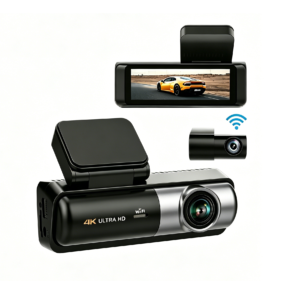
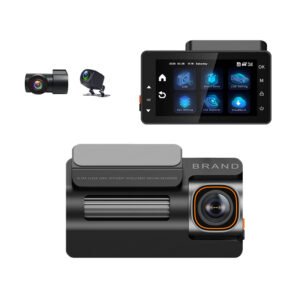
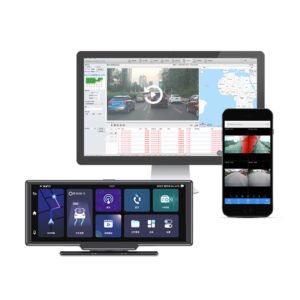
[…] Night vision matters at both ends — the rear camera should also handle low light, since many rear incidents happen after dark (night vision guide). […]
[…] You will see “WDR” or “HDR” on almost every dash cam spec sheet, and it is one of those features that sounds like marketing jargon but genuinely decides whether your night footage is usable. WDR stands for Wide Dynamic Range; HDR (High Dynamic Range) is essentially the same idea in a camera. Both exist to solve one brutal problem: a dash cam is constantly pointed at scenes where part of the frame is very bright and part is very dark — oncoming headlights at night, tunnel entrances, low sun against shadow. Without WDR, you get either blown-out headlights or a black, detail-free road. Here is how it works and whether it matters for you. For low-light footage overall, see our night vision dash cam guide. […]