
What Is the Difference Between WiFi and 4G Dash Cams? Side-by-Side
“Does this dash cam have WiFi?” and “Does it have 4G?” sound like the same question — both promise wireless…
“Does this dash cam have WiFi?” and “Does it have 4G?” sound like the same question — both promise wireless…
A regular dash cam is a black box that records to an SD card: useful after an incident, if someone…
“2K or 4K?” is the first question on almost every dash cam order — and the spec sheet alone does…
The short answer: for most everyday drivers, yes — but not for the reason the ads imply. A 4K dash…
A dash cam is one of the cheapest pieces of insurance you can buy for a vehicle — but only…
The memory card is the most replaced part of a dash cam system. Capacity math, endurance classes and formatting habits that keep footage safe.
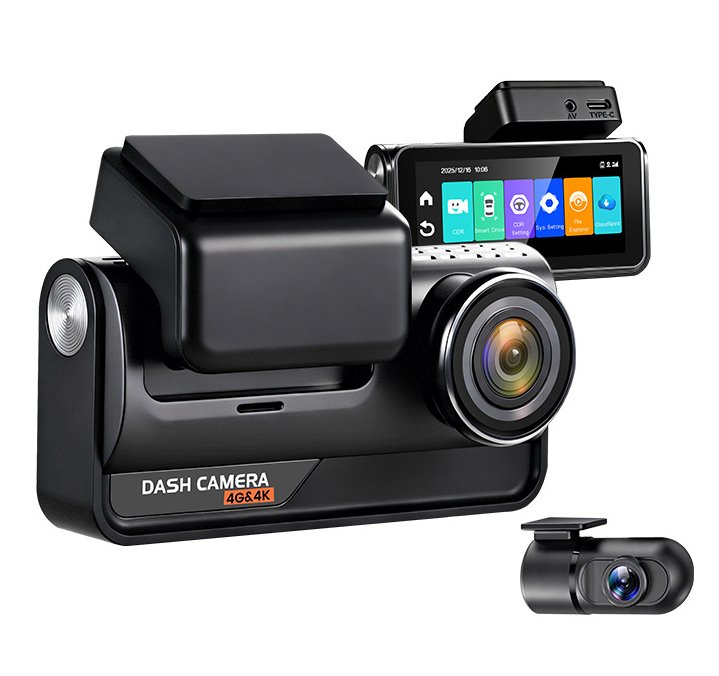
Cards fail before cameras do. Endurance classes, real hours per gigabyte, fake-card traps and the formatting routine every fleet should run.

Windshield temperatures reach 80°C+. Supercapacitors shrug it off; lithium batteries swell. The engineering reason behind the specification that matters.
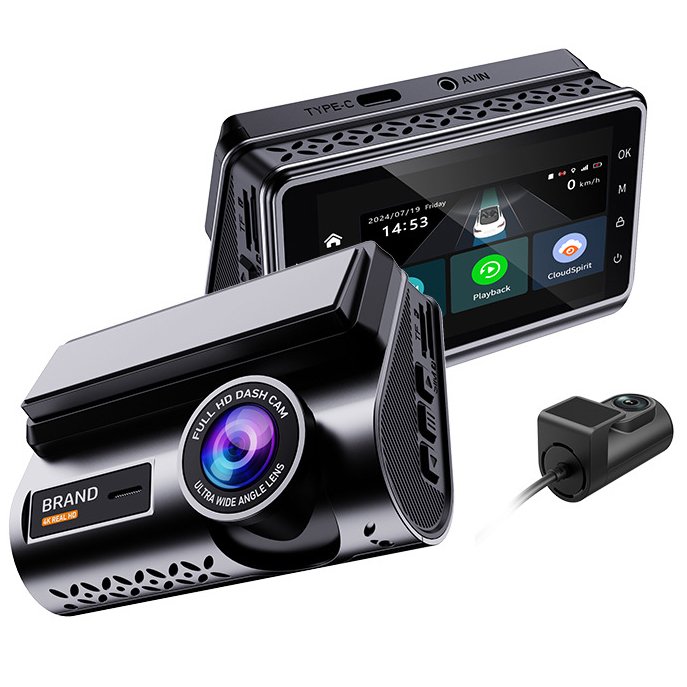
The three mechanisms that make a dash cam trustworthy: seamless loop overwrite, collision-locked clips and supervised parking surveillance.
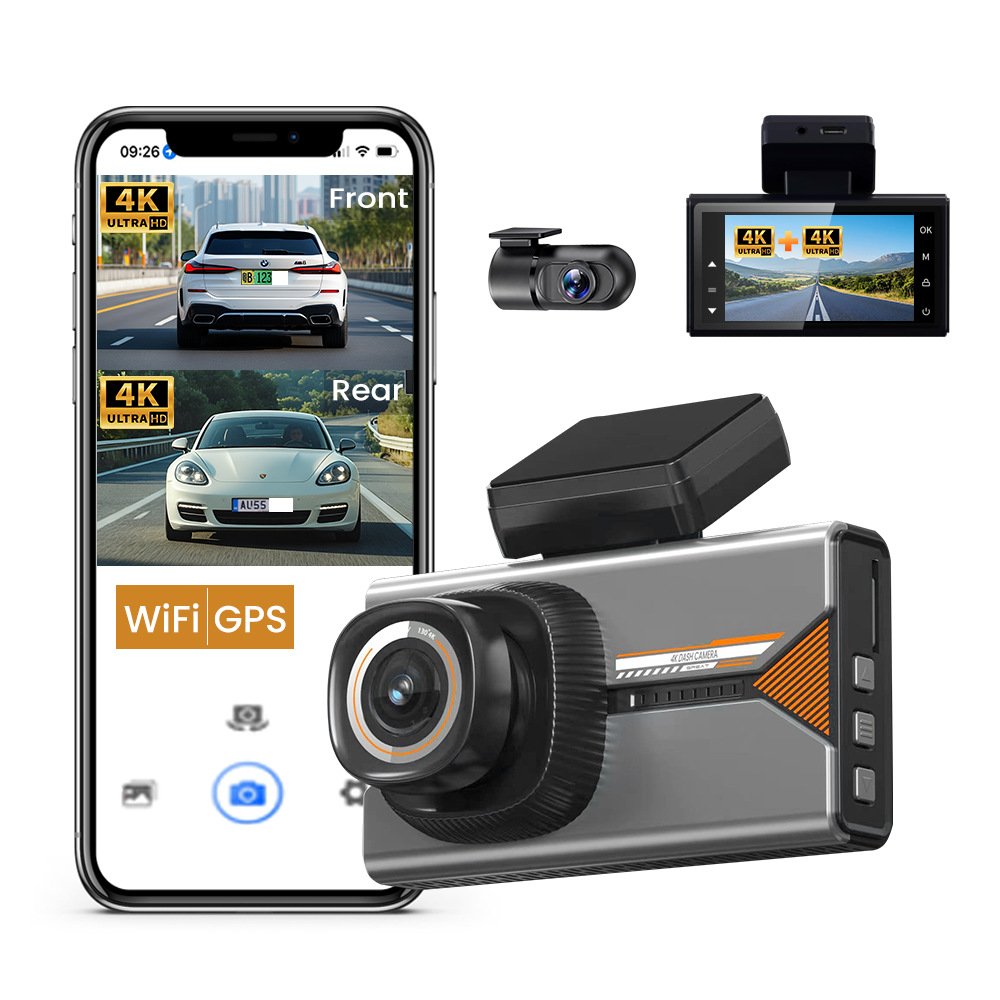
More pixels = more evidence. A practical look at what 1080p, 2K and 4K footage really deliver on plates, night scenes, storage and export markets.